From Mine to Market: The Architecture of International Commodity Trade
Behind every international commodity shipment lies a network of commercial, financial and logistical relationships that connects production with industrial demand.
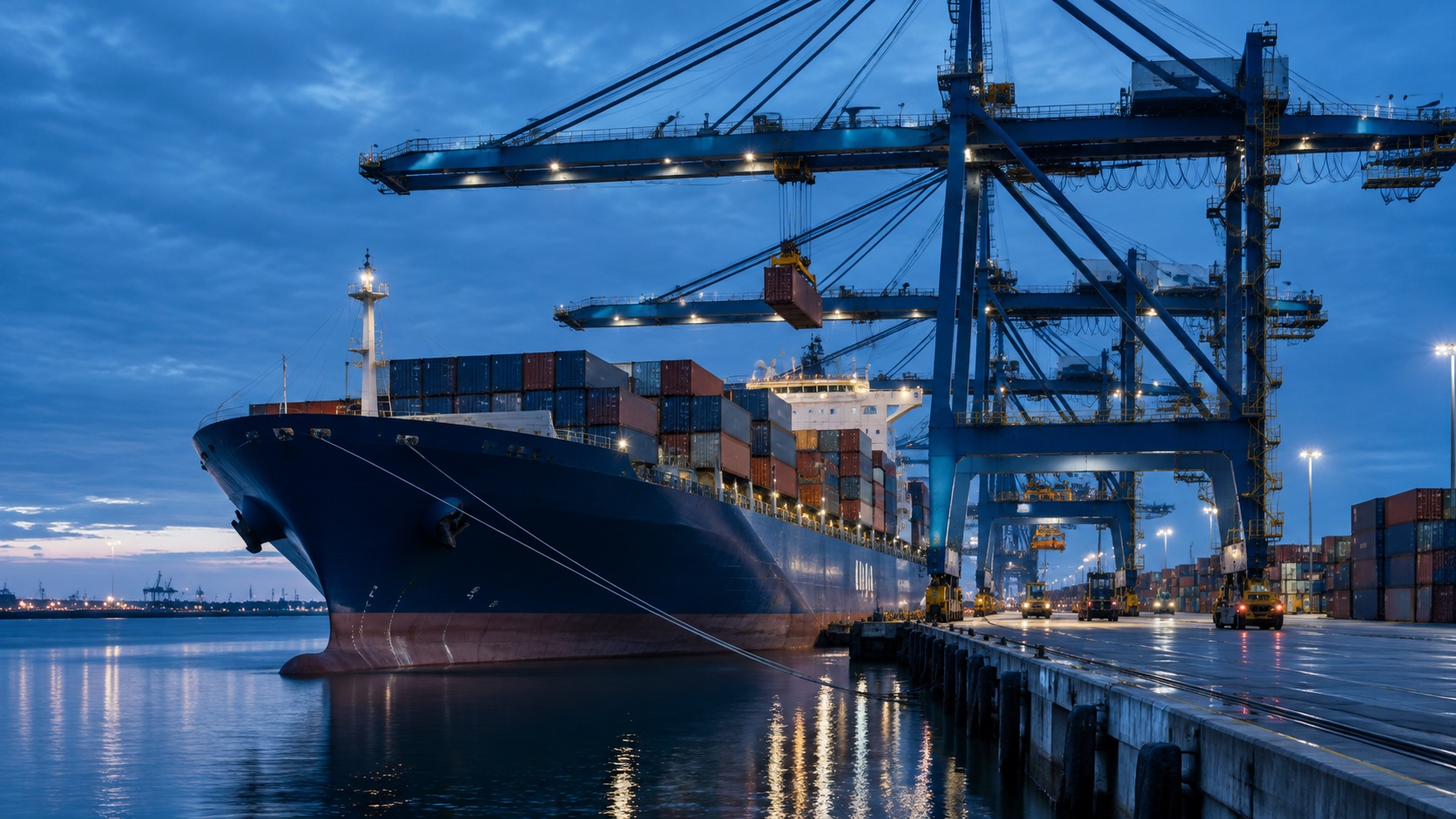
The movement of commodities across international borders is supported by an extensive network of commercial, financial and logistical relationships.
Behind every shipment of refined metal or industrial mineral lies a series of interconnected decisions that determine whether the transaction can be executed efficiently.
Understanding this architecture is essential for participants operating within global commodity markets.
Establishing the Commercial Foundation
Every transaction begins with the alignment of supply and demand.
The buyer's technical specifications, required quantity, delivery schedule and destination must be compatible with the seller's production capabilities, available supply and commercial terms.
A clearly defined commercial framework establishes the foundation for subsequent negotiations.
The initial stages of a transaction should therefore focus on identifying genuine commercial requirements and determining whether the proposed supply arrangements are compatible with those requirements.
Defining Delivery Responsibilities
International Commercial Terms, commonly known as Incoterms, provide an internationally recognised framework for allocating certain delivery responsibilities, costs and risks between buyers and sellers.
Structures such as Free on Board (FOB), Cost and Freight (CFR), and Cost, Insurance and Freight (CIF) are widely used in maritime commodity transactions.
The appropriate structure depends on the nature of the commodity, transportation arrangements and the parties' respective capabilities.
Incoterms do not independently determine payment terms or transfer of ownership. These considerations must be addressed separately within the commercial agreement.
Clearly defining delivery responsibilities can help reduce misunderstandings and establish a more transparent framework for international transactions.
The Role of Financial Arrangements
Payment structures are another fundamental component of international commodity trade.
Documentary letters of credit, documentary collections, bank guarantees and agreed advance payment arrangements may be considered depending on the transaction and the parties involved.
The selection of an appropriate payment mechanism requires consideration of counterparty risk, banking arrangements, contractual obligations and commercial feasibility.
The financial structure should reflect the requirements of the underlying transaction rather than being considered independently of the commercial agreement.
Inspection and Documentation
Independent inspection and appropriate commercial documentation can support transparency throughout the transaction process.
Relevant documentation may include certificates of origin, certificates of analysis, inspection reports, commercial invoices, packing lists and transport documents.
The required documentation should be clearly established before execution and aligned with contractual and payment requirements.
Connecting the International Supply Chain
The complexity of international commodity trade highlights the importance of disciplined commercial coordination.
At Caltrax Group, our approach focuses on connecting international supply opportunities with qualified demand while encouraging clearly defined commercial procedures and structured counterparty engagement.
From initial sourcing discussions to transaction coordination, our objective is to support connections built on commercial clarity, transparency and professional engagement.
International commodity trade is ultimately about more than moving resources.
It is about connecting production, capital, infrastructure and industrial demand across borders.
More perspectives.

South America: Redefining the Global Lithium Supply Chain
South America's extensive lithium resources and evolving industrial capabilities position the region at the centre of one of the world's most strategically important mineral supply chains.
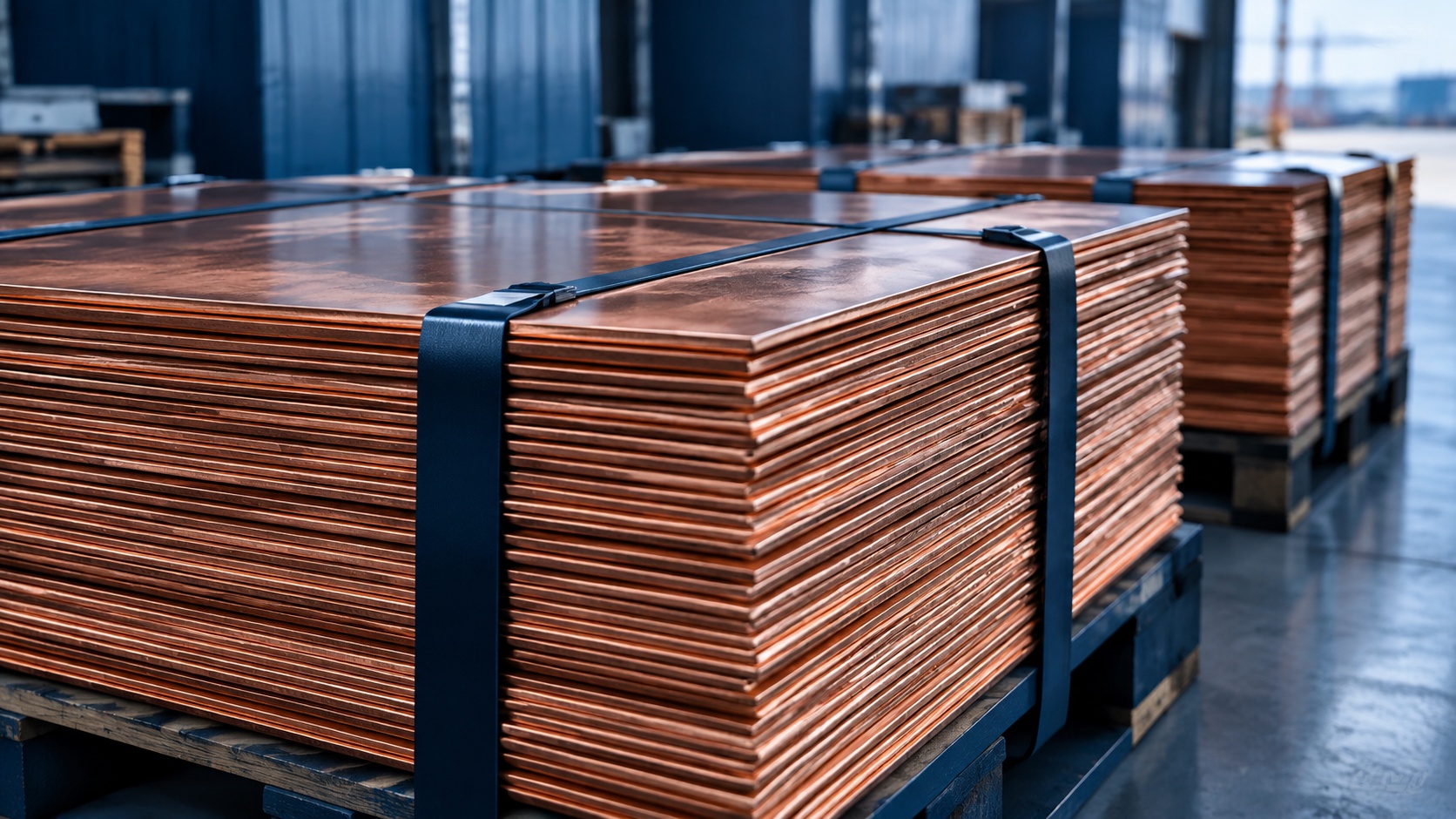
Copper: The Metal Powering the Next Industrial Revolution
As electrification, renewable energy and digital infrastructure reshape the global economy, copper is becoming increasingly central to the future of industrial development.

Beyond Price: Why Counterparty Verification Matters in Commodity Trade
The credibility of the organisations behind a transaction can be just as important as the commodity, its specifications and its commercial price.