Beyond Price: Why Counterparty Verification Matters in Commodity Trade
The credibility of the organisations behind a transaction can be just as important as the commodity, its specifications and its commercial price.

In international commodity markets, commercial discussions frequently begin with pricing, specifications and available quantities.
Yet one of the most important determinants of a viable transaction is often overlooked: the credibility of the parties involved.
As international trade becomes increasingly interconnected, structured counterparty verification is becoming an essential component of responsible commercial engagement.
The Complexity of International Transactions
A single commodity transaction may involve producers, exporters, importers, logistics providers, inspection agencies, financial institutions and commercial intermediaries operating across multiple jurisdictions.
Each participant introduces a different set of commercial, regulatory and operational considerations.
Without appropriate verification, even an attractive commercial opportunity can expose counterparties to substantial financial, legal and reputational risks.
The international nature of commodity markets makes it particularly important to understand the organisations involved before progressing towards contractual commitments.
Establishing Commercial Credibility
A structured Know Your Customer framework can help establish a clearer understanding of the organisations participating in a transaction.
Relevant considerations may include corporate registration, beneficial ownership, commercial authority, sanctions exposure, the legitimacy of supporting documents and the counterparty's ability to fulfil its contractual obligations.
Corporate identity verification alone, however, is not sufficient.
Commercial capability must also be assessed in the context of the proposed transaction.
A registered company may be legally established without necessarily possessing the operational capacity, supply authority or financial resources required for a particular commodity transaction.
Aligning Buyers and Sellers
A commercially qualified buyer should be able to communicate its procurement requirements, delivery expectations and proposed transaction structure.
Similarly, a qualified supplier should be able to demonstrate its authority to offer the relevant commodity and provide appropriate information concerning origin, specifications and supply capabilities.
Establishing these parameters before progressing to formal negotiations can reduce unnecessary delays and improve the quality of commercial discussions.
Moving Towards Structured Trade
The international commodities industry benefits from relationships built on transparency, accountability and commercial discipline.
At Caltrax Group, structured counterparty onboarding is a central principle of our trade-connectivity approach.
Our objective is to facilitate commercially relevant introductions between appropriately qualified buyers and sellers while encouraging clear documentation and transparent transaction procedures.
Verification cannot eliminate every commercial risk. However, it can provide a stronger foundation for informed decision-making and responsible international trade.
The future of global commodity connectivity should be defined not simply by the number of available opportunities, but by the quality of the relationships behind them.
More perspectives.

South America: Redefining the Global Lithium Supply Chain
South America's extensive lithium resources and evolving industrial capabilities position the region at the centre of one of the world's most strategically important mineral supply chains.

Copper: The Metal Powering the Next Industrial Revolution
As electrification, renewable energy and digital infrastructure reshape the global economy, copper is becoming increasingly central to the future of industrial development.
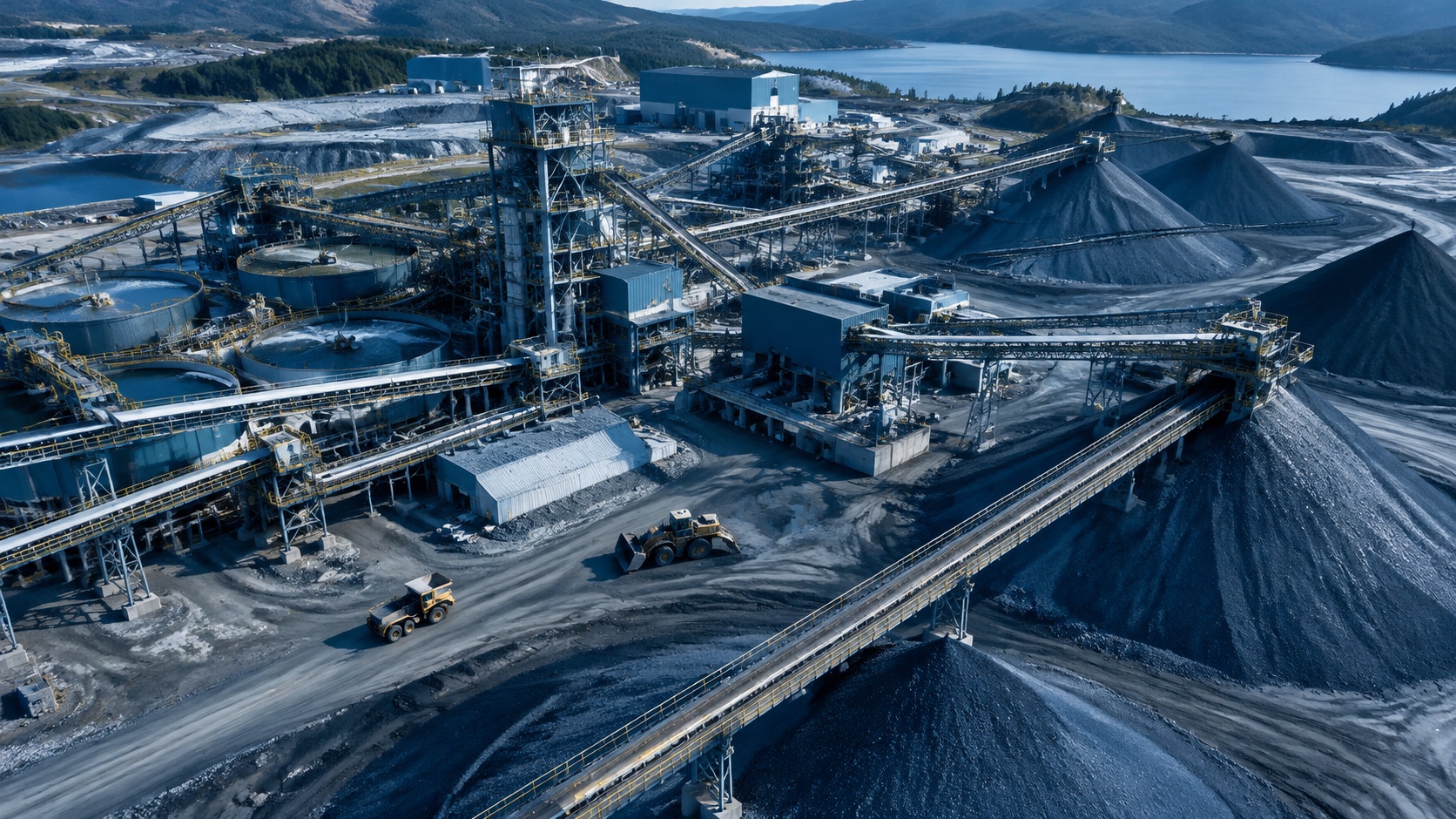
Africa to Asia: The Emerging Geography of Global Metals Trade
Connecting Africa's mineral-producing regions with Asia's industrial economies represents an important dimension of the evolving international commodities landscape.