Africa to Asia: The Emerging Geography of Global Metals Trade
Connecting Africa's mineral-producing regions with Asia's industrial economies represents an important dimension of the evolving international commodities landscape.
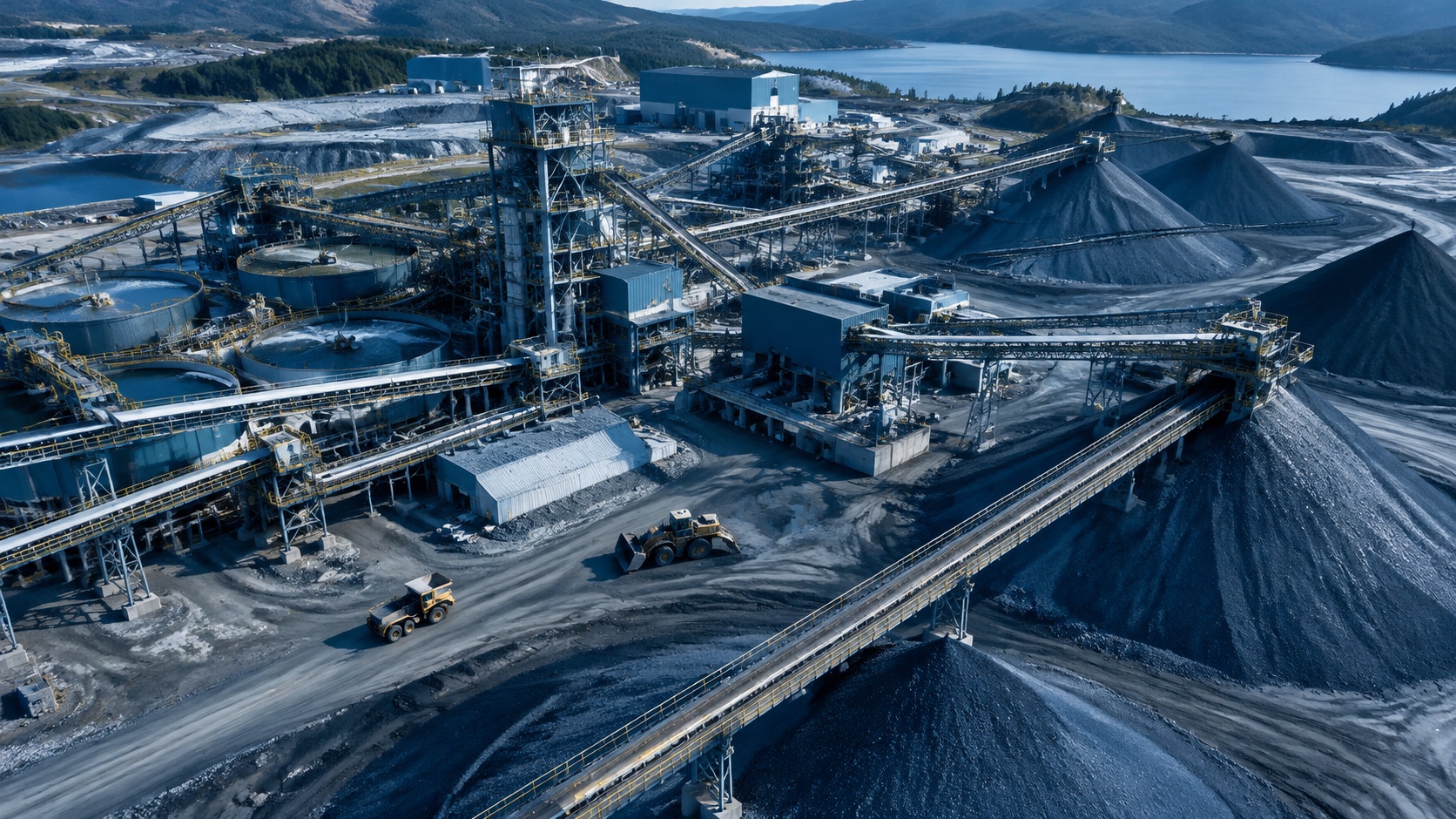
The geography of international commodity trade is evolving as mineral-producing economies strengthen their connections with established and emerging industrial markets.
Among the significant commercial relationships is the connectivity between African resource-producing regions and Asian manufacturing economies.
This relationship represents an important dimension of the international metals and minerals trade.
Africa's Strategic Mineral Resources
African economies possess extensive mineral resources that contribute to international industrial supply chains.
The Democratic Republic of Congo and Zambia are particularly significant in copper production, while other African markets contribute precious metals, manganese, chromium and additional industrial minerals.
These resources support industries ranging from conventional manufacturing to electricity infrastructure and advanced energy technologies.
The commercial importance of these resources extends beyond extraction, encompassing refining, transportation, storage and international distribution.
Asia as a Centre of Industrial Demand
Asia occupies a central position in global manufacturing and industrial consumption.
China's established industrial ecosystem, India's infrastructure development and Southeast Asia's expanding manufacturing capabilities contribute to a diverse landscape of commodity demand.
As these economies continue to develop, access to competitively sourced and commercially reliable industrial materials remains an important consideration.
The development of manufacturing capabilities across multiple Asian markets creates opportunities for international producers to establish a broader range of commercial relationships.
The Role of International Trade Infrastructure
Connecting African mineral production with Asian industrial demand requires effective coordination across multiple stages of the supply chain.
Inland transportation, bonded warehousing, port infrastructure, international shipping, independent inspection and trade finance arrangements all contribute to the feasibility of cross-border transactions.
The commercial hubs of the Middle East also offer opportunities for international connectivity through their logistics infrastructure and established trading environments.
However, successful sourcing relationships depend on more than geographical access.
Product consistency, responsible sourcing and counterparty credibility remain equally important.
Building More Connected Commodity Markets
Diversified international sourcing can help industrial buyers manage exposure to individual markets and supply-chain disruptions.
For producers, access to a broader international customer base can create additional commercial opportunities.
At Caltrax Group, our strategic approach is centred on developing commercial relationships between resource-producing regions and international industrial markets.
By connecting qualified counterparties across Africa, Asia, Europe and the Middle East, we aim to contribute to a more structured and interconnected international commodity ecosystem.
The development of these international commercial relationships will remain an important component of the future global metals trade.
More perspectives.

South America: Redefining the Global Lithium Supply Chain
South America's extensive lithium resources and evolving industrial capabilities position the region at the centre of one of the world's most strategically important mineral supply chains.
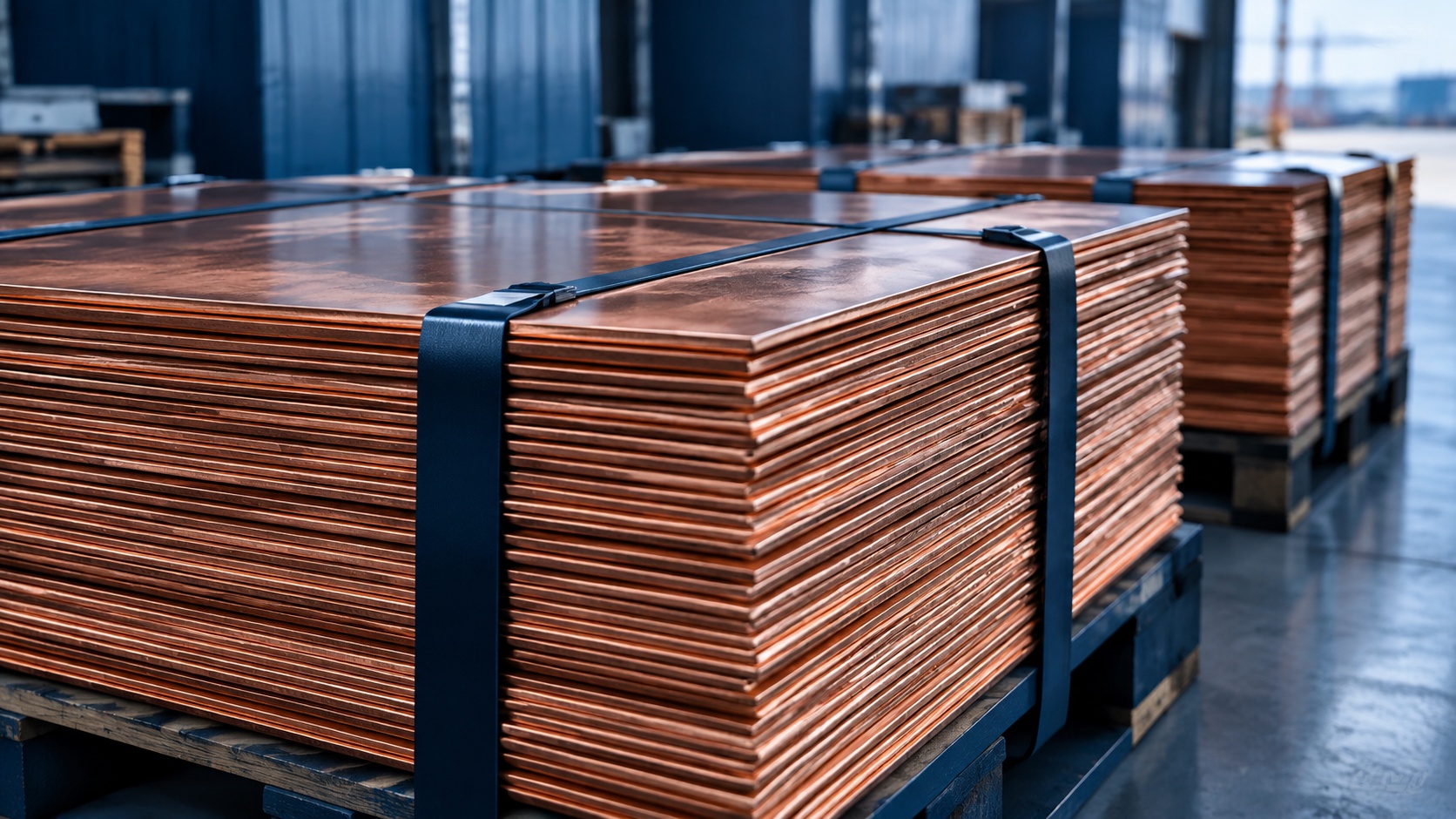
Copper: The Metal Powering the Next Industrial Revolution
As electrification, renewable energy and digital infrastructure reshape the global economy, copper is becoming increasingly central to the future of industrial development.

Beyond Price: Why Counterparty Verification Matters in Commodity Trade
The credibility of the organisations behind a transaction can be just as important as the commodity, its specifications and its commercial price.